Top Signs You Need Permanent Makeup Restoration
What you'll learn from this article
Permanent makeup (PMU) is often described as life‑changing. Having your brows, lips, or eyeliner always in place means you can wake up ready to go and feel more confident without having to put on makeup every day. While PMU provides months or even years of convenience, it is not truly permanent. Sunlight, skin type, lifestyle habits, and the natural healing of your skin will gradually break down. When this happens, your once‑crisp lines can fade, blur, or change color. Knowing when it is time for a restoration ensures you continue to look your best.
This guide breaks down the most common signs that your permanent makeup needs a refresh. You’ll learn what fading looks like, how to spot patchiness or color changes, and why your makeup might look uneven as your skin ages. We also explain why regular touch‑ups and correction sessions are essential to maintain the shape and vibrancy of your makeup and brows. At the end, you’ll find a summary and straightforward call to action so you know exactly what to do next.

Faded Pigment and Loss of Saturation
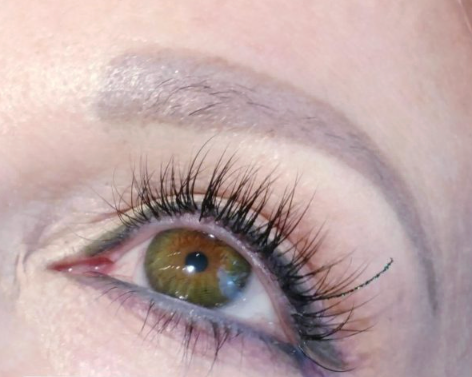
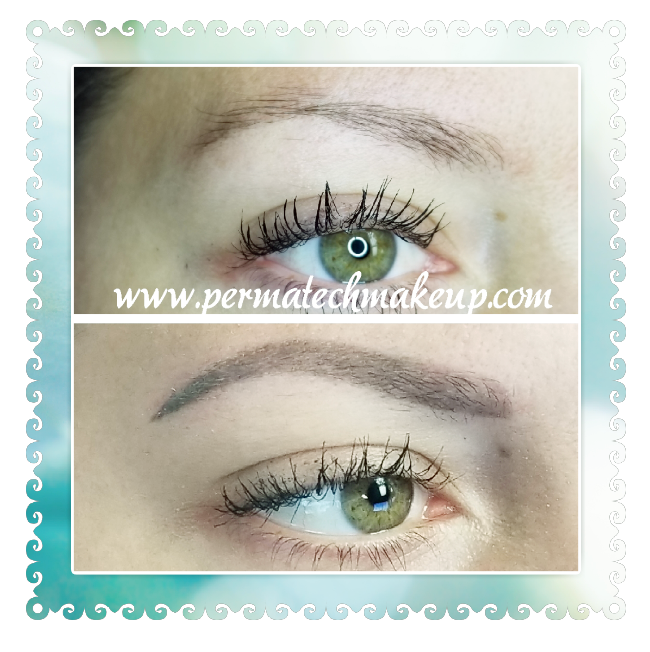
Permanent makeup pigments are designed to last, but they do fade. The first clue is a loss of vibrancy. Brows and eyeliner that were once rich and defined start to look like a soft shadow or a barely‑there tint. The Eastside Microblading Studio notes that fading shows up as a lighter color than when your makeup first healed, a loss of sharp outlines, and brows that look more like a shadow. Faded pigment is especially common on areas with frequent movement or sun exposure. For example, people who spend a lot of time outdoors may notice their brows lighten faster because ultraviolet rays break down pigments.
Fading does not happen evenly across your face. One side may be more exposed to the sun while driving, or you may use exfoliating products on specific areas. Oily skin types can also see pigment soften sooner. When your color begins to fade, booking a touch‑up promptly makes it easier to restore depth and symmetry. Waiting too long can make it harder to achieve a clean refresh because there is less pigment for your technician to build on.
Retinols, acids, and chemical peels accelerate skin renewal, which breaks down pigments. Poor aftercare—picking at healing skin, skipping sunscreen, or ignoring your technician’s advice—also shortens the life of your PMU. These habits cause patchy fading and may lead to additional corrections later. Being mindful of aftercare and using gentle products helps pigments last longer.
Typical longevity and maintenance
Most permanent brows, lip blushes, and eyeliner last between one and three years. Artists often recommend a refresher appointment six months to a year after your initial session to maintain vibrancy - factors listed above in the primary section.
PMU market growth
According to Statista data highlighted by the Beauty Babe Club, the global permanent makeup industry was valued at about $1.5 billion in 2020 and is projected to grow at a compound annual rate of 6.4 % through 2028. This rapid growth reflects rising demand for low‑maintenance beauty solutions. As PMU becomes mainstream, more artists offer tailored services, making it easier than ever to schedule a consultation with an experienced technician.
Uneven or Patchy Appearance and Shape Distortion
Even when fading occurs, it should happen uniformly. When some areas hold pigment longer than others, your brows, lips, or eyeliner can look patchy or uneven. One brow appears more faded, or that parts of your lip blush have a stronger tint than the rest.
Patchiness is more evident in photos or under bright lights. If you find yourself constantly adjusting your makeup to cover uneven spots, it is likely time for a professional correction. A touch‑up can restore consistent color and balance the shape. When left untreated, patchiness may lead to irregular shapes or lines as pigments continue to break down.
Distortion of the original shape is another sign you need a restoration. Over time, pigments can blur or migrate slightly, causing lines to thicken or curve. The Eau Claire Body Care guide warns that irregular lines or shapes are a sign of pigment breakdown.
Factors causing patchiness
Patchiness can result from uneven aftercare, picking at healing skin, or using exfoliating products on treated areas. Maintaining consistent skincare and following your technician’s advice helps pigments fade more evenly. If patchiness occurs, a touch‑up will realign the shape and sharpen details.
Retouch sessions
Regular retouch sessions keep makeup looking fresh by restoring precision and intensity. Because fading is influenced by sun exposure and skin renewal, many artists recommend scheduling retouches every 12–18 months. This prevents noticeable patchiness and preserves the original design. See internal page link for retouch pricing and booking.
Signs of irregular shape
When lines blur or shapes become distorted, it may be due to pigment migration or skin aging. Addressing these changes early allows your technician to refine the shape before the design becomes hard to correct.
Aftercare instructions
Keeping the treated area clean, avoiding sun exposure, and not picking at scabs or flakes support even healing. Your technician may advise you to avoid heavy exercise and swimming for a few days to prevent infection and irritation.

Discoloration and Color Shifts
One of the most startling signs that your PMU needs restoration is a color change. Instead of fading gracefully, old pigments can shift to undesired shades, such as blue, green, or red. The Fine Arts of Beauty notes that early PMU pigments often contained iron oxides; as the body absorbed the iron, brows sometimes turned blue, green, or peach within a year. While modern pigments are more stable, even current inks can develop off‑tone colors if misapplied or exposed to the sun.
Your skin’s undertones may also influence discoloration. People with blue undertones are more likely to see brows heal with blue or grey hues. Warm undertones may make pigments appear red or orange. Knowing your undertones helps your artist choose colors that age well; if the color still shifts, professional color correction can neutralise the unwanted tone using complementary pigments.
Professionals at Nu‑Reflections Medspa explain that brows tattooed with black ink can turn blue or grey over time and that color correction uses color theory to neutralise these shades. Color correction may also involve fading or removing existing pigment with saline solutions or laser technology before reapplying new pigment. Waiting too long to address discoloration makes correction more complex, so booking a consultation at the first sign of color change is key.
Why permanent makeup colors shift?
Your skin’s undertones influence the remaining hue; blue undertones often leave blue‑tinged brows when pigment fades. Modern pigments are more stable, but sun exposure and skin chemistry can still cause color shifts.
Color correction techniques
For complex cases, modern microblading and microlining techniques create natural strokes that replace outdated blocky designs for more on color correction.
When to seek a restoration?
You should book a consultation if your brows, lips, or eyeliner develop blue, gray, or red undertones. Quick action allows your artist to correct the tone before it becomes ingrained. Waiting too long can result in more extensive—and expensive—corrections.
Signs of weird colors
Watch for colors that no longer match your original tone. If one brow looks lighter than the other or you find yourself applying regular makeup every day to cover the color, it’s time for a refresh.
Makeup Styles change
Your permanent makeup may still be intact, but it might not match your current style. Beauty trends shift over time, and many clients choose to update older designs—like thick or blocky brows—to softer, more natural looks. Modern techniques can fade outdated pigment and replace it with hair-like strokes or subtle shading that feels more current.
Changes in your skin tone or overall complexion can also affect how your PMU appears. Aging, sun exposure, and hormonal shifts can make color look too warm, too cool, or uneven. A touch-up allows your artist to adjust the pigment so it blends smoothly with your present skin tone.
As facial structure changes with age, PMU may no longer sit in the most flattering position. Brows may droop, lips can lose definition, and the eye area may shift subtly over time. Regular correction sessions help refine shape, placement, and color so your features continue to look balanced. A personalized approach ensures your PMU evolves with you and enhances your features at every stage.
Aging skin considerations
Skin type, sun exposure, lifestyle and the natural healing process all influence how PMU ages. Oily skin or frequent exercise may require more frequent touch‑ups, while proper aftercare and sun protection extend the life of your makeup.
Personalized Style changes with age
Each client’s face and preferences are unique. During a correction session, your technician will adjust color, shape, or density to ensure a flattering result. Open communication with your artist helps you achieve a look that reflects your personal style and fits your current features.
Summary of why Permanent Makeup requires restoration
Recognizing when your permanent makeup needs restoration helps you maintain a fresh, balanced, and natural look as your skin, style, and features evolve. Fading, patchiness, color shifts, or outdated shapes are all typical signs that it’s time for a touch-up or correction. Whether your brows have softened, your eyeliner has blurred, or your lip color has shifted, early maintenance makes the restoration process easier and keeps your PMU looking intentional and flattering. If you’ve noticed any of these changes, scheduling a consultation is the best next step so your artist can assess your current makeup and create a personalized plan to refresh and restore your results.