
Permanent Makeup Guide for Sensitive Skin Types
A Thoughtful Approach for Women Who React Easily
For women with sensitive skin, beauty routines can be hesitant. Redness, irritation, breakouts, or reactions to products can turn even simple makeup into a source of stress. Over time, many women learn to approach cosmetics cautiously—testing products, limiting use, or avoiding certain areas altogether.
Permanent makeup can feel intimidating for those with sensitive skin, but when approached thoughtfully and responsibly, it may actually simplify daily routines rather than complicate them. Understanding how sensitive skin interacts with permanent makeup is the first step toward making an informed decision.
Disclaimer: We are not dermatologists, but have been in the permanent makeup industry for almost 40 years. This is a guide based on our experience and working with and speaking with countless dermatologists. Please speak with your dermatologist for exact clinical regimens and effects.

What Sensitive Skin Really Means
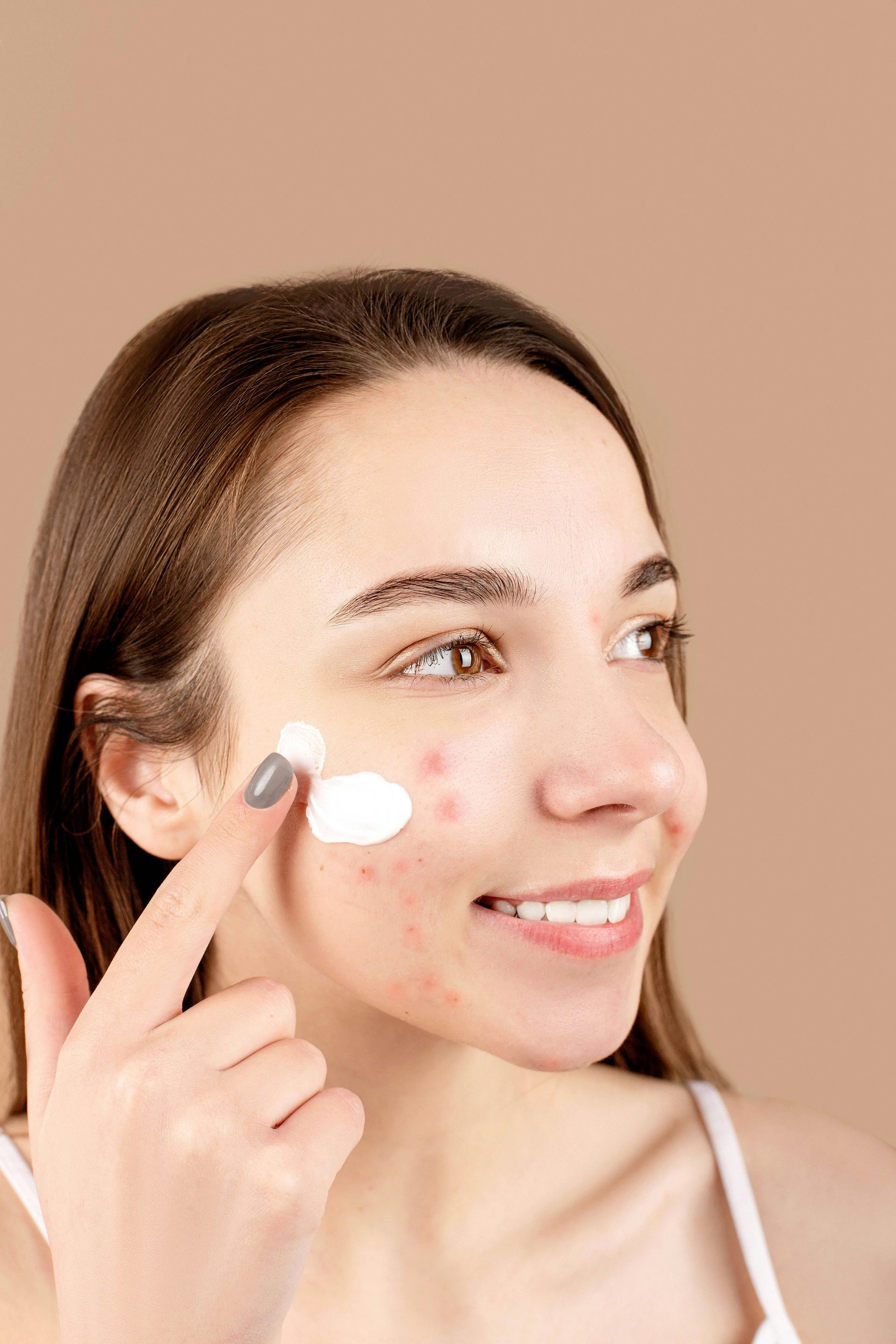
Sensitive skin looks different for every woman. For some, it shows up as redness or burning after applying makeup. For others, it means breakouts, dryness, or reactions to fragrance and preservatives. Many women don’t label their skin as “sensitive” until they experience repeated irritation. Because permanent makeup involves working with the skin rather than sitting on top of it, sensitivity must be taken seriously. The goal is not to push skin beyond its limits, but to respect it.
Daily Makeup and Repeated Irritation
Traditional makeup routines can be especially challenging for sensitive skin. Applying products daily, removing them at night, and repeating the process again and again introduces friction and exposure that can gradually compromise the skin barrier.
Over time, this cycle can lead to:
- Chronic redness or inflammation
- Increased reactivity around the eyes and brows
- Sensitivity from frequent cleansing and makeup removal
For some women, permanent makeup reduces the need for daily product application, which can result in fewer triggers and a calmer routine overall.
Why Permanent Makeup Can Feel More Predictable
One of the frustrations of sensitive skin is inconsistency. A product that works one week may cause irritation the next. Weather changes, stress, and hormones can all affect how skin reacts. Permanent makeup offers predictability. Once healed, there is no daily variation in products or application methods. For many women, this consistency feels reassuring, especially after years of trial and error with cosmetics.
The Importance of a Conservative Approach

For sensitive skin types, subtlety matters. Permanent makeup does not need to be bold to be effective. In fact, a lighter, more restrained approach often produces the best long-term results.
A thoughtful provider will prioritize:
- Minimal skin trauma
- Conservative pigment saturation
- Gradual enhancement rather than dramatic change
This approach allows the skin to heal properly and reduces the risk of prolonged irritation.
Consultations Matter More With Sensitive Skin
Women with sensitive skin benefit significantly from thorough consultations. Engaging in open discussions about past reactions, allergies, and skin sensitivities is crucial for informed, safe decision-making.
In the course of the consultation, it’s essential to address:
- History of cosmetic reactions
- Skincare routines and reactions to products
- Lifestyle aspects that influence healing
This exchange of information helps assess the suitability of permanent makeup and the best approach to take.
Healing Looks Different for Sensitive Skin
Healing timelines vary, and sensitive skin may respond differently than more resilient skin types. Redness may last longer, and the skin may feel tender for an extended period during the healing process. Understanding this ahead of time helps set realistic expectations. Healing does not mean something is wrong—it means the skin is responding in its own way. Patience is an important part of the process.

Healing Looks Different for Sensitive Skin
Healing timelines vary, and sensitive skin may respond differently than more resilient skin types. Redness may last longer, and the skin may feel tender for an extended period during the healing process. Understanding this ahead of time helps set realistic expectations. Healing does not mean something is wrong—it means the skin is responding in its own way. Patience is an important part of the process.
Skin Fewer Products, Less Daily Stress
Many women with sensitive skin eventually adopt minimalist routines out of necessity. Permanent makeup aligns well with this mindset by reducing reliance on daily cosmetics. Once healed, women may find they need fewer products overall. Less layering, fewer removals, and fewer reactions can lead to a calmer relationship with their skin.
When Permanent Makeup May Not Be the Right Choice
Permanent makeup is not appropriate for everyone, and sensitive skin sometimes requires extra caution. Certain conditions, active flare-ups, or ongoing skin issues may mean postponing or avoiding treatment altogether. A responsible provider will never pressure someone to proceed if the skin is not ready. Safety and long-term skin health always come first.
Final Thoughts on PMU for Sensitive Skin
Sensitive skin deserves care, patience, and respect. For some women, permanent makeup can offer relief from daily irritation and unpredictable reactions. For others, it may not be the right choice—and that is just as valid. The most important factor is informed decision-making. When approached thoughtfully, permanent makeup can support simplicity, comfort, and confidence without compromising skin health.