
Is PMU (permanent makeup) really safe?
Licensing, Sanitation, and What California Clients Should Ask Before Booking
Permanent makeup has become one of the fastest-growing beauty services in California, offering long-lasting solutions for brows, eyeliner, and lips. As demand increases, so do questions about safety, regulation, and professional standards. For clients considering permanent makeup for the first time—or those switching providers—understanding what makes a procedure safe is essential.
This guide explains how permanent makeup safety works in California, what licensing and sanitation standards should be in place, and the exact questions clients should ask before booking an appointment. The goal is simple: informed clients make better decisions and achieve better outcomes.

What Permanent Makeup Is (and Why Safety Matters)
Permanent makeup, also known as cosmetic tattooing or micropigmentation, involves implanting pigment into the upper layers of the skin to enhance facial features. While techniques and tools differ from traditional body tattooing, the process still involves breaking the skin barrier.
Because of this, safety is not optional—it is foundational. Improper training, poor sanitation, or low-quality pigments can lead to complications such as infections, allergic reactions, pigment migration, or unsatisfactory cosmetic results. Unlike traditional makeup, mistakes in permanent makeup cannot be washed off at the end of the day.
This is why licensing, sanitation, and practitioner experience matter far more than price or convenience.
Is Permanent Makeup Regulated in California?
Yes. California has some of the strictest regulations in the country for body art services, including permanent makeup.
Permanent makeup artists in California must comply with state and county health regulations, which typically include:
- Registration with the local county health department
- Annual permit renewal and inspections
- Bloodborne pathogen training
- Adherence to strict sanitation and sterilization protocols
While the exact requirements may vary slightly by county, all legitimate permanent makeup providers must operate within these regulatory frameworks.
If a provider cannot clearly explain their licensing status or avoids questions about regulation, that is a red flag.
Licensing vs. Certification: Understanding the Difference
Many clients assume that certificates displayed in a studio automatically indicate legal licensing. This is not always the case.
Licensing
Licensing (or registration) is issued or overseen by local health authorities. It confirms that the provider and facility meet minimum legal and sanitation standards.
Certification
Certification typically comes from training programs or academies. While certifications are valuable indicators of education and technique, they do not replace licensing or legal compliance.
A safe permanent makeup provider should have both:
- Proper local registration or licensing
- Documented professional training and continuing education
Every Consultation should include
Before committing to permanent makeup, clients should feel comfortable asking direct questions. Reputable providers welcome transparency.
Key questions include:
- Are you registered or licensed with the local health department?
- How long have you been performing permanent makeup procedures?
- What training and continuing education do you have?
- What sanitation protocols do you follow between clients?
- What pigments and tools do you use, and why?
- How do you handle touch-ups or adjustments?
- What does the healing process typically look like?
The PMU expert should provide clear, confident answers that indicate professionalism and experience.
Medical Conditions you should tell us about
Permanent makeup is not appropriate for everyone without proper evaluation. Clients should always disclose:
- Autoimmune conditions
- Skin disorders or sensitivities
- Pregnancy or breastfeeding status
- Blood-thinning medications
- History of keloid scarring
- Recent cosmetic procedures
- A professional artist will review this information carefully and may recommend postponing or modifying treatment when necessary. Safety-first providers prioritize health over booking volume.
Sanitation Standards Every Client Should Expect
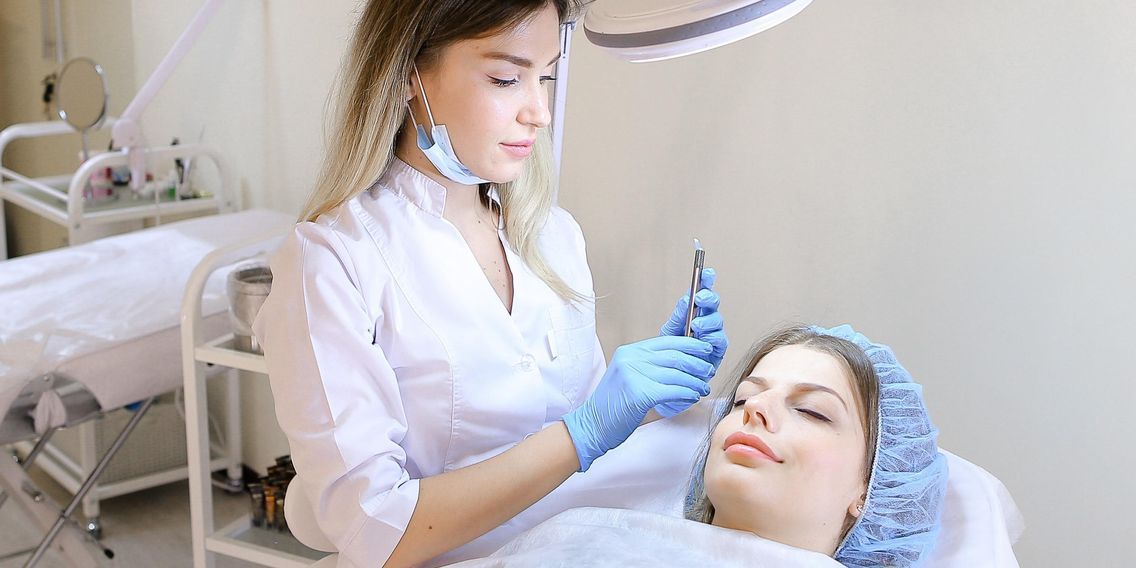
Sanitation is one of the most important safety factors in permanent makeup. Professional studios follow medical-grade hygiene practices designed to minimize infection risk.
Clients should expect the following as standard practice:
Single-Use, Disposable Supplies
- Needles and cartridges should always be single-use and opened in front of the client
- Gloves, applicators, and protective barriers should never be reused
Proper Sterilization
- Non-disposable tools must be properly sterilized between clients
- Workstations should be disinfected before and after every appointment
Clean, Controlled Environment
- Treatment rooms should be separate from waiting areas when possible
- No food, drinks, or personal items near treatment surfaces
- If a studio appears disorganized, cluttered, or casual about cleanliness, it is reasonable to walk away.
Pigments, Tools, and Equipment Safety
Not all pigments and machines are alike. The quality of these materials directly influences both safety and long-lasting outcomes.
Premium pigments ought to be:
- Tailored specifically for cosmetic tattooing
- Stable within the skin and resistant to undesired color changes
- Applied in accordance with the manufacturer's guidelines
Professional machines and hand tools should be:
- Crafted for cosmetic use, rather than body tattoo shortcuts
- Regularly maintained and calibrated
- Utilized with techniques suitable for facial skin
Experienced practitioners recognize how various tools and pigments function across different skin types, minimizing trauma and enhancing the healing process.
Long-Term Safety and PMU Maintenance
Even when executed flawlessly, permanent makeup necessitates ongoing maintenance. Pigment will naturally fade, and the skin evolves with age. Responsible practitioners:
Inform clients about long-term expectations, provide touch-ups as needed, ensure the skin isn't overworked during initial sessions, and ensure long-term safety hinges on both restraint and technique.
Final Thoughts on PMU Safety
Permanent makeup can be safe, effective, and confidence-enhancing when performed by a properly trained and licensed professional in a clean, regulated environment. Safety is a shared responsibility—clients who ask informed questions and providers who maintain high standards work together to achieve the best outcomes.
If you are considering permanent makeup in California, take the time to research, consult, and choose a provider who values health, education, and experience as much as aesthetics. Informed decisions lead to better results—and peace of mind.